Beyond the Game: Why Dose Every Experience Need a Purpose
What makes a team-building experience truly meaningful? Discover how Five-Es brings purpose to games, challenges, and shared experiences through creativity, connection, and experiential learning in Jo
Beyond the Game: Why Every Experience Needs a Purpose
Because the most meaningful part of an experience isn't always the activity itself.
It Usually Starts with a Simple Question
"What activities do you offer?"
It's a question we hear quite often at Five-Es.
And we understand why. When someone is planning a team-building event, a company retreat, or a school program, they naturally want to know what the day will look like. What games will people play? Will it be exciting? Will everyone enjoy themselves?
We could easily start listing activities. After all, there are countless possibilities.
But before we get into the games, there's something else we want to understand.
What do you want people to walk away with?
Maybe a company wants colleagues from different departments to get to know each other. Maybe a team needs an opportunity to practice communication. Perhaps a school wants students to explore learning beyond the classroom, or an organization wants its employees to contribute to something meaningful in their community.
These are very different goals.
And that's exactly why we believe an experience should never begin with a list of games.
It should begin with a purpose.
Sometimes, the Smallest Challenges Reveal the Most
Imagine a room full of colleagues divided into teams.
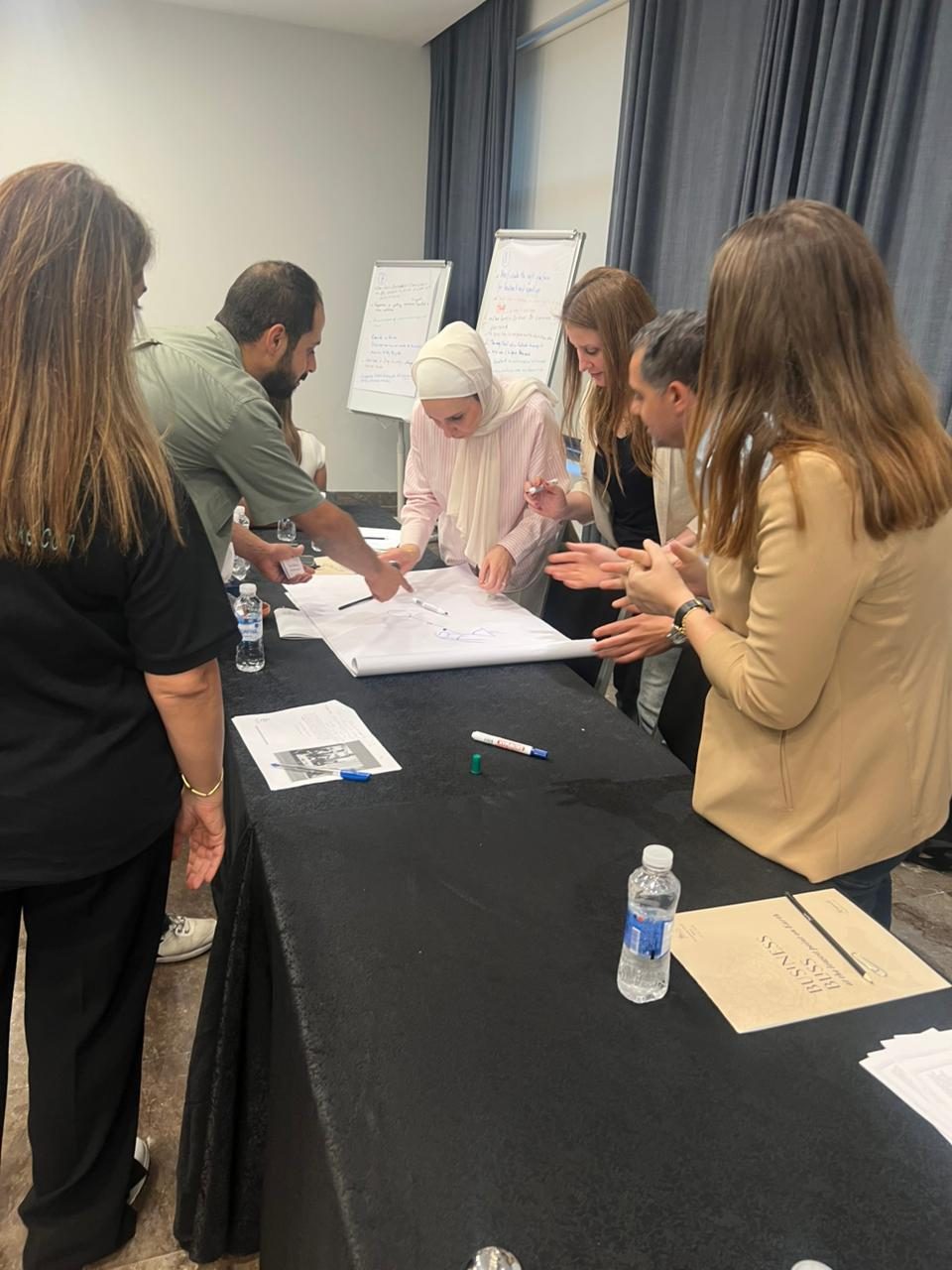
At one table, a group is attempting a Drawing Relay. One person is trying to communicate an idea, another is interpreting it, and someone else is putting pencil to paper.
What started as a simple drawing challenge quickly becomes an exercise in communication.
Instructions get misunderstood. Details are lost. Someone assumes everyone is thinking the same thing, only to discover that the final drawing looks nothing like what they imagined.
There's laughter, of course. Usually plenty of it.
But behind that laughter is something familiar to almost every workplace: the difference between what we think we've communicated and what someone else actually understands.
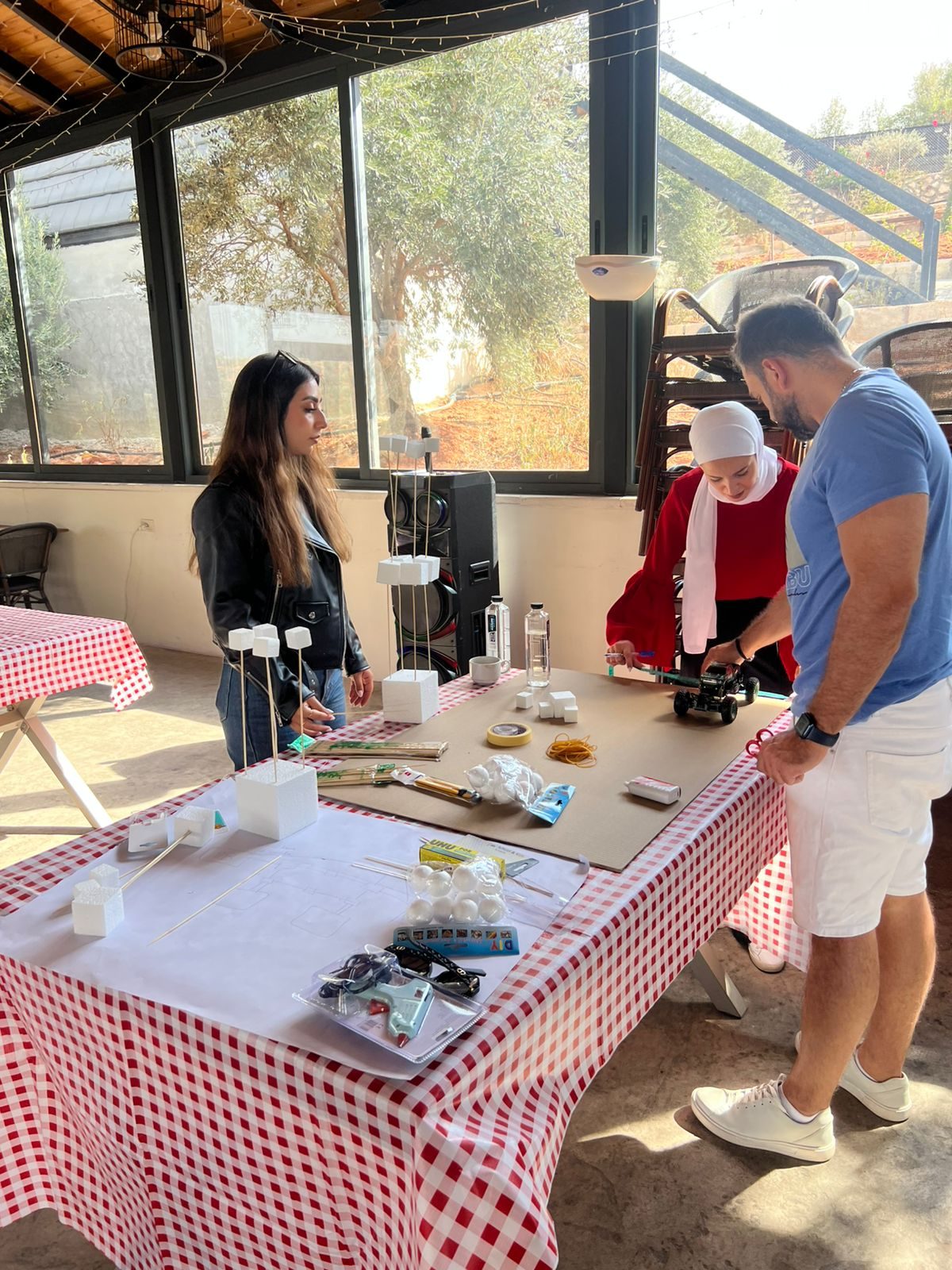
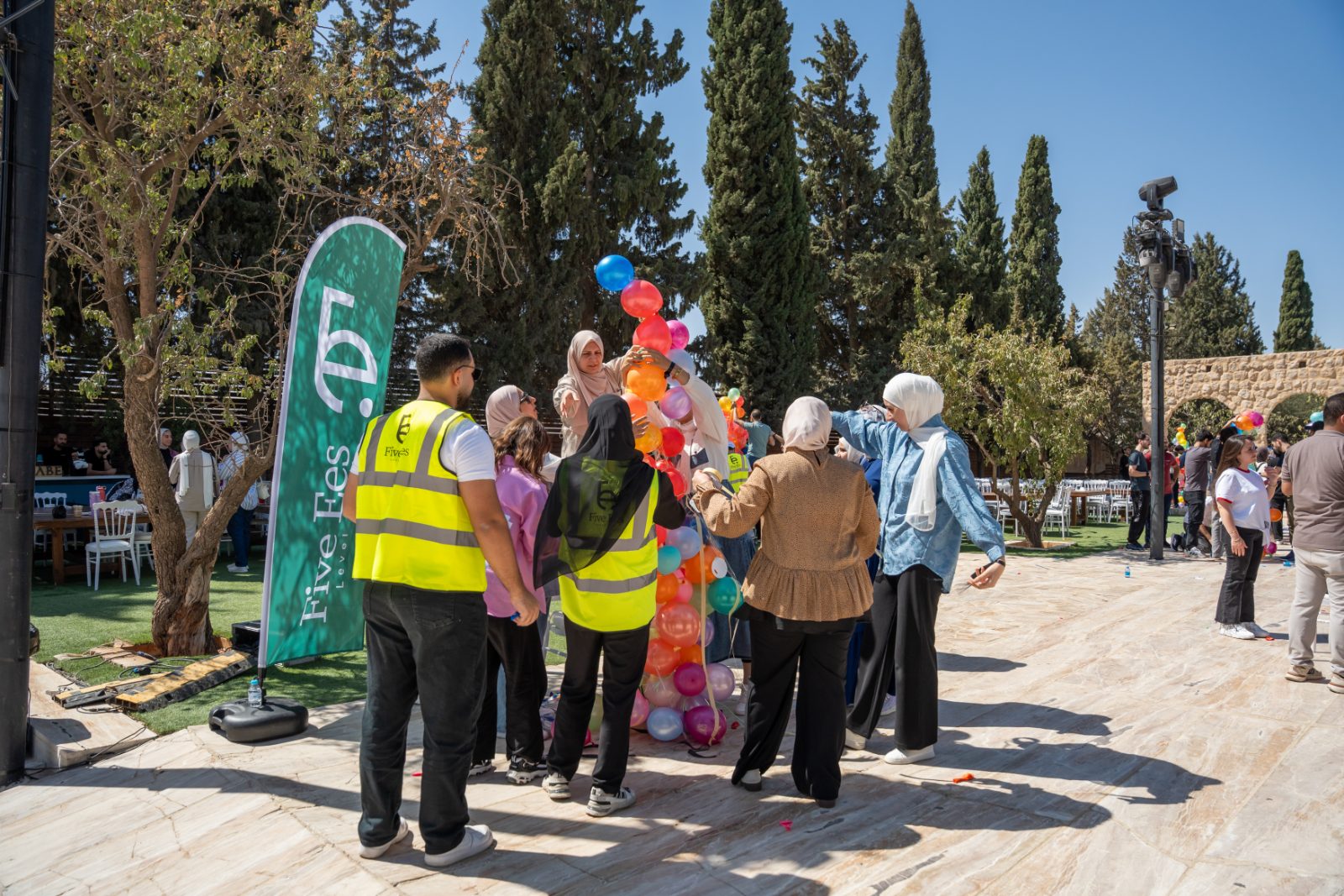
Now imagine another team taking on the Balloon Highest Tower challenge.
They're surrounded by balloons and materials, trying to build the tallest structure they can before time runs out.
One person wants to start building immediately. Another insists they need a plan. Someone suggests an unusual design that nobody is quite convinced about.
The tower gets higher.
Then it starts leaning.
Suddenly, everyone has an opinion about what should happen next.
Do they keep going? Start over? Reinforce the base? Try something completely different?
It might look like a playful competition, but the team is navigating decisions, testing ideas, responding to setbacks, and working under pressure.
And the interesting part is that nobody needs to explain these challenges in a classroom first.
People are experiencing them for themselves.
The Same Purpose Can Take Many Different Forms
One of the things we love most about designing experiences is that there isn't just one way to bring people together.
Sometimes, we take teams outside their usual environment through a Treasure Hunt.
Colleagues find themselves exploring unfamiliar places, following clues, making decisions, and figuring out how to move forward together. The person who usually leads a meeting might not be the one who spots the next clue. Someone quieter might notice a detail everyone else missed.
The experience creates room for different strengths to emerge.
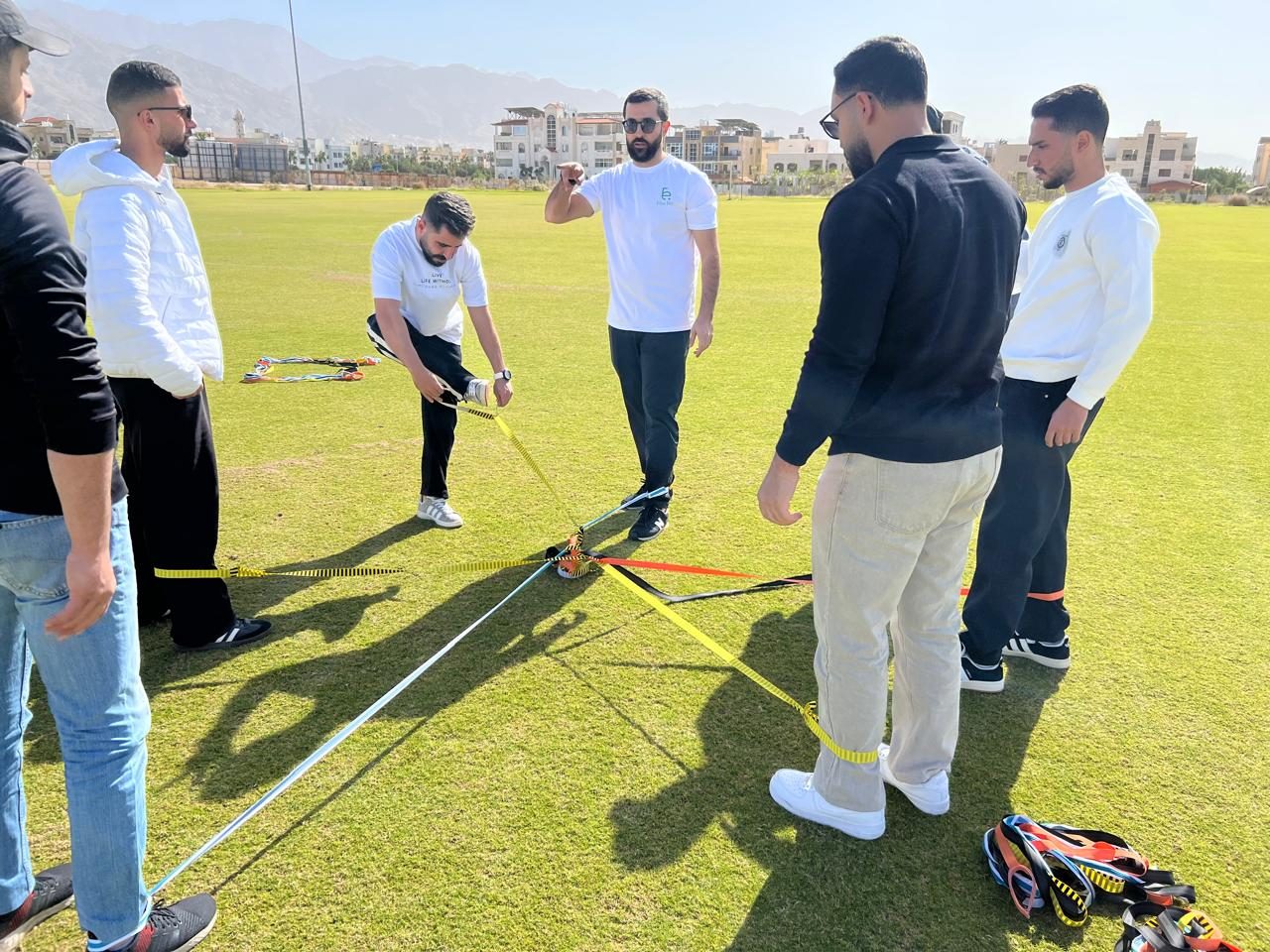
Other times, we create challenges such as Minefield, where progress depends on careful observation, trust, and communication.
Or Traffic Jam, where teams need to think ahead, test their strategy, and recognize that moving quickly isn't always the same as moving effectively.
And sometimes, the purpose goes beyond the team itself.
In experiences such as Bikes for Kids or Wheelchair for Hope, the activity can connect collaboration with a wider community goal. Participants aren't simply completing a challenge for points. They're working toward something that can hold meaning beyond the event.
Different activities create different opportunities.
A drawing challenge can open a conversation about communication. A balloon tower can bring out different approaches to planning and problem-solving. A Treasure Hunt can encourage exploration and shared decision-making. A community initiative can give teamwork a social purpose.
None of these activities is automatically the right choice for every group.
The value comes from understanding why we're choosing it, who we're designing it for, and what we hope it will make possible.
The Moment After the Game
There's a part of team building that doesn't always get as much attention as the activities themselves.
It's what happens when the challenge is over.
The timer stops. The winning team celebrates. Everyone laughs about what went wrong, what almost worked, and the unexpected moments along the way.
Then comes an opportunity to ask a few questions.
What made your team successful?
Did everyone have the chance to contribute?
What happened when your original plan didn't work?
And where do you see something similar happening in your everyday work?
Think about the Drawing Relay again.
The funny final drawing might be what everyone remembers first. But the conversation afterward can be about how easily information changes when we make assumptions or fail to check our understanding.
Or think about the balloon tower.
The height of the structure gives the team a result. But discussing how they reached that result can reveal much more about their approach to planning, listening, and adapting.
That doesn't mean a single activity will suddenly change how an entire organization works.
Real development takes time, practice, and consistency.
But an experience can create a moment of awareness. It can give people a shared reference point, a new perspective, or a conversation they might not otherwise have had.
And we believe those moments are worth designing for.
The Thinking Behind Five-Es
This is where our philosophy comes in.
At Five-Es, our approach is built around five interconnected pillars: Experience, Educate, Enrich, Extend, and Exercise.
They aren't five separate activities or five boxes we simply tick when planning an event.
They're the foundation of how we think about every experience we create.
Experience is about creating immersive moments that allow people to participate, explore, and see things from a different perspective.
Educate reminds us that learning doesn't always need a classroom. Sometimes, the most memorable lessons come through action, experimentation, and discovery.
Enrich encourages us to add depth, meaning, and value to what people experience, whether that's through stronger connections, new insights, or a sense of shared purpose.
Extend challenges us to push beyond the familiar, opening opportunities for people to explore new ideas, roles, and possibilities.
And Exercise reflects our belief in strengthening both mind and body through purposeful engagement, movement, focus, and discipline.
These five pillars shape the way we approach corporate team building, school experiences, youth programs, wellness activities, and community initiatives across Jordan.
Not every program emphasizes each pillar in exactly the same way. A wellness experience might focus more on physical movement and awareness, while a problem-solving challenge may place greater emphasis on mental engagement, learning, and exploration.
But every project begins with the same philosophy.
We want people to do more than participate.
We want to create opportunities for them to experience something meaningful.
Why Purpose Matters in Team Building
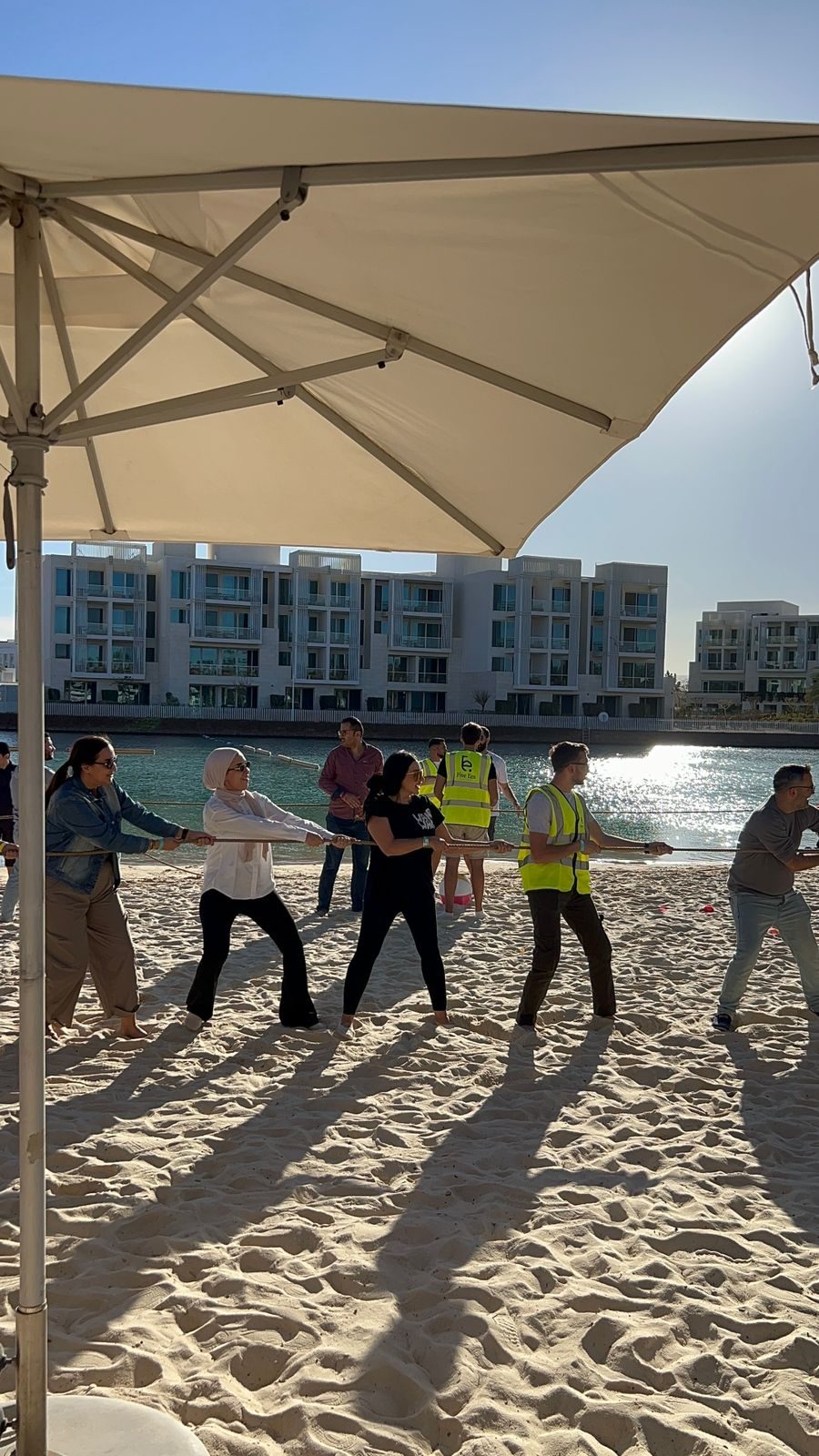
Corporate team building in Jordan can take many forms. It might happen in a hotel ballroom, an outdoor setting, a workplace, or somewhere entirely unexpected.
The venue can change. The activities can change. The number of participants can change.
But the question of purpose should always remain.
Because a team that needs to strengthen communication may benefit from a very different experience than one that wants to celebrate a successful year.
A group meeting for the first time may need opportunities to connect and feel comfortable together. A team that has worked together for years might benefit from being challenged to approach familiar problems in unfamiliar ways.
And sometimes, people simply need a break from their routines, a chance to move, laugh, and enjoy being together.
That's a meaningful objective, too.
The point isn't to make every game serious or turn every enjoyable moment into a lesson.
It's to understand what the group needs and design an experience that respects that purpose.
Fun and purpose don't have to compete. The best experiences make room for both.
What Do People Take Home?
At the end of an event, the materials are packed away.
The balloons are gone. The drawings are collected. The clues have been solved. The scores have been announced.
But we like to think about what remains.
Maybe it's a colleague remembering how someone on their team came up with an unexpected solution.
Maybe it's a student discovering that trying again after a failed attempt can be part of learning.
Maybe it's a group of employees who had the chance to connect outside their usual roles.
Or maybe it's simply a shared memory that brings people a little closer.
We can't predict what every participant will take away from an experience. And we shouldn't pretend that every activity creates a life-changing moment.
What we can do is create the conditions for meaningful things to happen.
We can design with intention, make space for participation, encourage reflection, and remember that every group is made up of people with different experiences, perspectives, and strengths.
That's what makes this work interesting to us.
And it's why, before we ask which game to play, we always want to understand the people who will be playing it.
Because when the purpose is clear, even the simplest activity can become something more.
We don't just deliver events. We build experiences with purpose.
Five-Es | Team Building, Experiential Learning & Purposeful Experiences in Jordan